By Shaun Loyer, Program Manager
Electrification is rapidly becoming a cornerstone of state and federal climate strategies. Without the right supporting policies, however, electrification could unintentionally increase energy costs for the households that can least afford it.
The solution may already exist: pairing electrification with energy efficiency programs.
To level set, electrification is an effort to limit greenhouse gas emissions by replacing fossil‑fuel appliances with their electric counterparts. Electrifying a home, however, can be expensive – especially when it’s comprehensive.
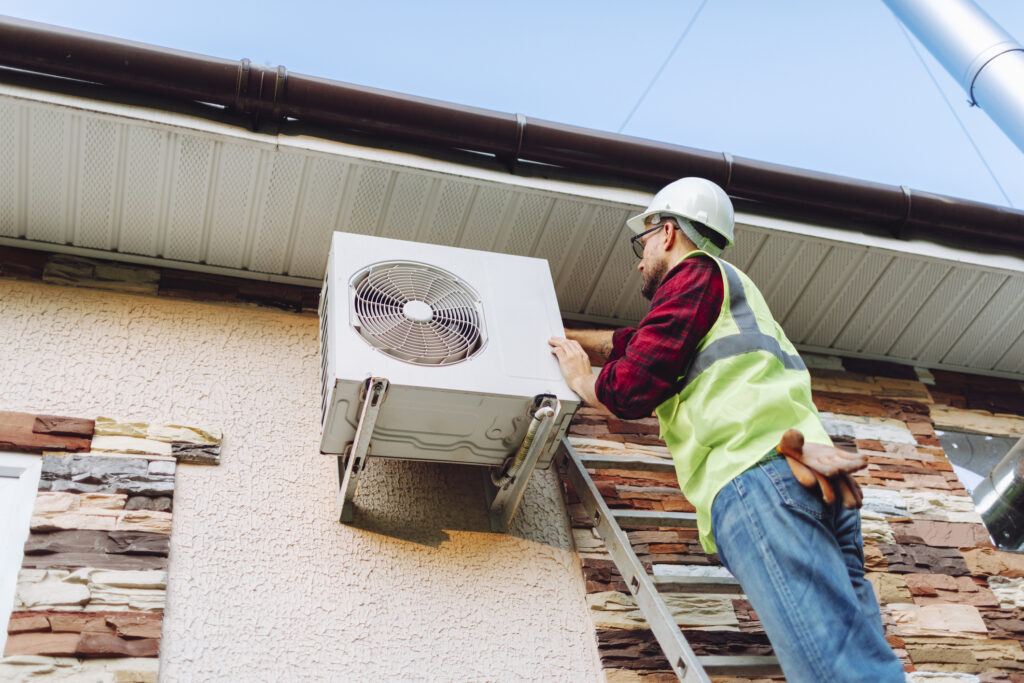
Heat pumps and induction stoves are often more costly to purchase and operate than fossil-fuel appliances. Energy efficiency programs can serve as a bridge to make electrification both affordable and equitable for resource-constrained households.
The most obvious risk is that electrification itself is likely to increase the total energy costs for resource-constrained households that already face a higher energy burden, which is the percent of a household’s income that is spent on energy. According to the American Council for an Energy Efficient Economy (ACEEE), resource-constrained households pay an average of more than 8.1 percent of their income on energy, compared with about 2.3 percent for the average U.S. household.
By combining energy efficiency measures with electrification, such as insulation, air sealing and high-efficiency heating systems, homes require less energy overall and the transition is fairer and more inclusive for all. Energy-efficiency upgrades reduce a home’s overall energy demand before electrification occurs. When homes are properly insulated and sealed, heat pumps can be smaller, electrical upgrades may be avoided, and energy bills remain manageable for homeowners.
Electrification Help is on the Way
Through the programs CMC has supported for years, I have seen firsthand how energy efficiency retrofits increase home comfort and reduce overall energy use. This is particularly important for residents of older, inefficient housing stock, which is disproportionately occupied by resource-constrained households. Removing financial barriers ensures that electrification is not limited to higher-income households.
To achieve this, energy efficiency programs should prioritize outreach and engagement in overburdened and underserved communities. Many of these households have limited interaction with their utility provider, may be unaware of available programs, or have had past experiences that did not foster trust or participation. Thoughtful, community‑based engagement is essential to closing these gaps.
Electrification also delivers important non‑energy benefits, including improved indoor air quality, healthier living conditions, increased comfort and reduced greenhouse gases. As extreme heat and cold become more common, combining electrification with energy-efficiency upgrades can help reduce illness and, in severe cases, prevent life-threatening outcomes.
Electrification alone will not guarantee an equitable energy transition. But when paired with strong energy efficiency programs, it can deliver lower energy bills, healthier homes, and meaningful climate progress for all households. Policymakers and utilities must ensure these strategies move forward together.
About the Author

Shaun Loyer is a program manager at CMC Energy Services, based in New Jersey, with more than a decade of experience managing energy efficiency programs. He is responsible for overseeing field operations, including auditing, in-house weatherization and quality assurance, to ensure that CMC’s field technicians and subcontractors meet all program specifications and technical standards.