By Ben Altomari, Director of Program Delivery
New Jersey has made its intentions clear by developing the policy, funding, and program structure to drive large-scale electrification throughout the state. What will ultimately determine whether its goals are met, though, is the people needed to put it all into action.
And that workforce does not yet exist at the scale New Jersey needs.
The Scale of the Challenge
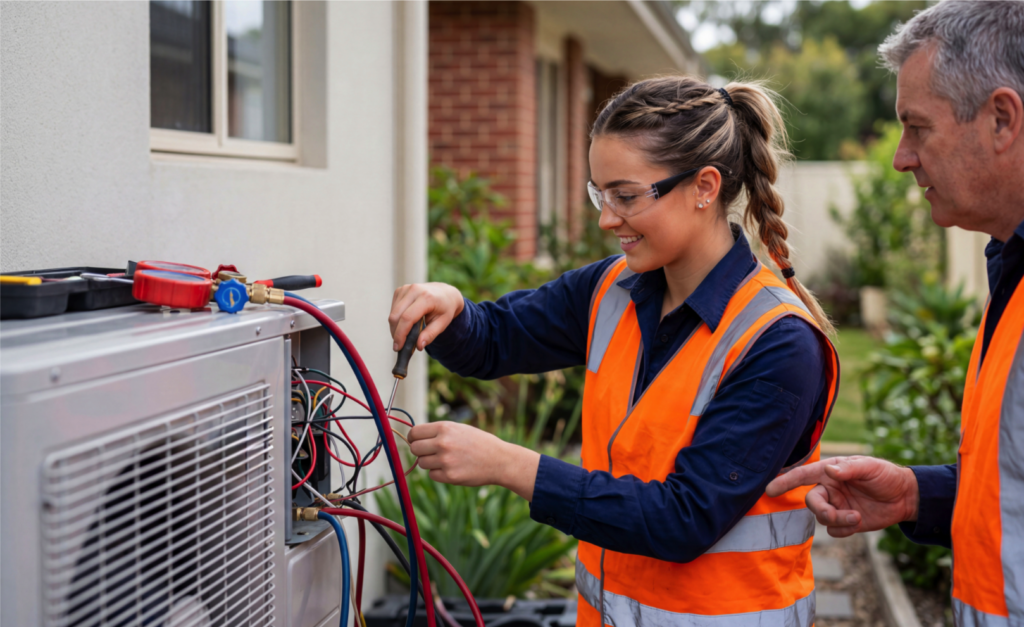
New Jersey has roughly 3.8 million housing units, the vast majority still heated by fossil fuel. The state’s 2019 Energy Master Plan calls for 90% of all buildings to convert to electric heating by 2050 to meet the state’s 80% emission reduction goal.
That’s more than 3.4 million homes.
Sustaining that pace will require approximately 130,000 heat pump installations per year. The near-term bar is already set: Executive Order 316 targets 400,000 homes electrified by 2030. Current installation volumes aren’t close to either number.
Plus, installing a heat pump is not a simple job. It requires technicians who understand refrigerant systems, electrical capacity, duct performance, and whole-home energy dynamics. Depending on the project, successful whole-home electrification may require coordination among HVAC contractors, electricians, energy auditors, weatherization specialists and other skilled trades, highlighting the need for a workforce that is technically proficient and sufficiently scaled to meet demand.
Unfortunately, New Jersey’s trade workforce is sized for a different era. The gaps between capacity and demand will only increase and ultimately show up in poor program performance and customer experience.
Certification: The Foundation, Not the Finish Line
Building Performance Institute (BPI) and North American Technician Excellence (NATE) certifications raise the floor of contractor quality, and program requirements rightly favor them. But certification is a starting point, not a guarantee.
Earning credentials takes time and money that small contractors often don’t have. A certified technician may still lack the knowledge and experience to properly size a cold-climate heat pump for a 1980s colonial with original ductwork.
As technology, refrigerants and installation practices continue to evolve, the need for continuously updated training and professional development persists. Unfortunately, specialty certifications for emerging technologies are lagging behind the pace of technological advancement and installation best practices.
Closing these gaps means creating more accessible pathways to initial certification, building in structured continuing education, and developing new specialty credentials that reflect where the market is going – not where it has been.
Training and Pipeline: Quality and Quantity
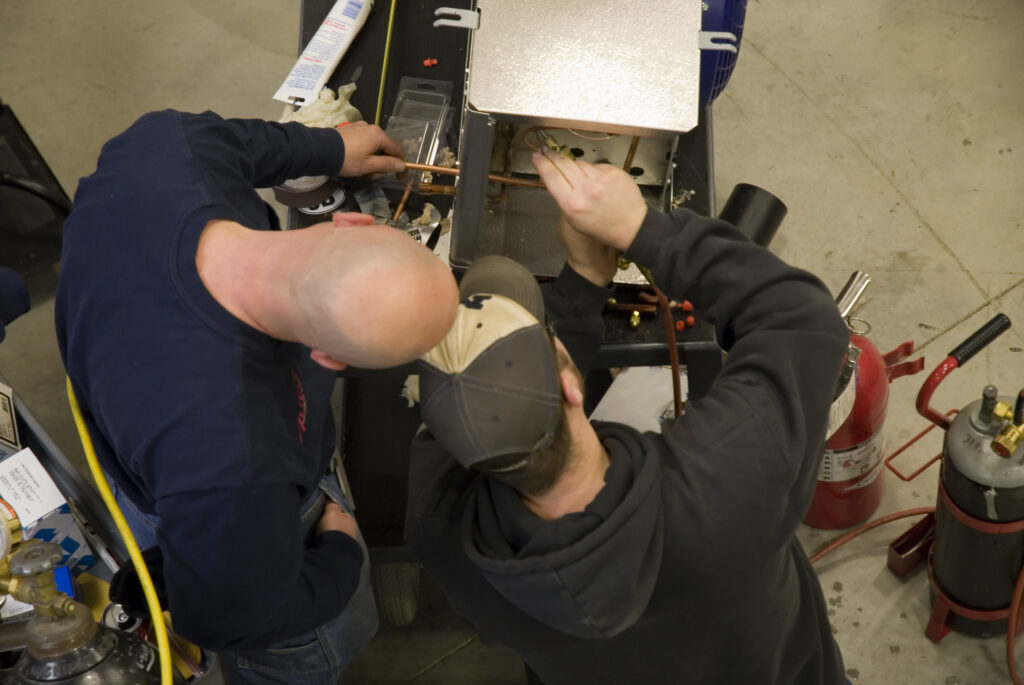
Continuous, applied training ultimately matters more than initial credentialing. Effective contractor training is technical, specific and, in many cases, can’t be done solely with online, on-demand modules. Hands-on, equipment-specific instruction, co-developed with manufacturers and updated as products evolve, is necessary to effectively train for fieldwork. It can help connect the HVAC, electrical and building performance disciplines. Quality assurance (QA) data can help to close the loop by revealing patterns in installation errors that signal the need for curriculum updates.
But, unfortunately, fully training the existing workforce won’t be enough.
New Jersey also needs more workers entering the clean energy trades. The most durable investments are upstream:
- Consistent engagement with community colleges and vocational programs,
- Earn-while-you-learn apprenticeship pathways that remove the income gap between training and employment, and
- Intentional efforts to recruit from underserved communities where contractors with local roots accelerate customer trust, particularly in income-eligible markets.
The Workforce Is the Program
For program administrators, utilities and the BPU, the workforce challenge cannot just be background noise – it is a central program delivery risk. A program can be well-funded, well-designed and well-marketed and still underperform if the contractor network lacks the capacity or quality to execute.
New Jersey’s electrification goals are achievable, but the transition and goals can only be achieved by the technicians working in the attics, basements and crawl spaces across the state.
Getting the workforce right is not a supporting concern to the main challenge. It is the main obstacle. The time to invest seriously is now, before program demand outpaces workforce capacity, which will be difficult to recover from.
About the Author
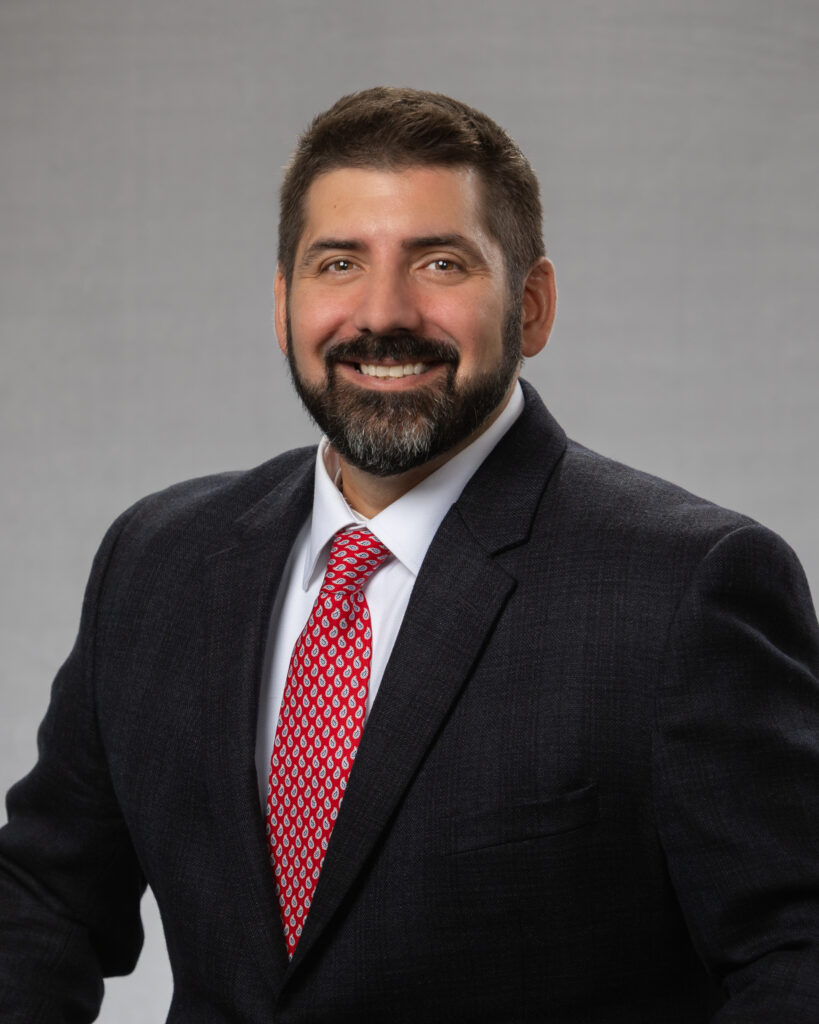
A dedicated leader with 15 years of progressive experience at CMC, Ben Altomari has held key positions in field operations, quality assurance, and program management. He was instrumental in the design and implementation of the company’s first comprehensive in-house weatherization department and C&I Direct Install program. Most recently, as Senior Program Manager, he oversaw a $30 million annual operation supporting low- to moderate-income residential energy-efficiency programs on behalf of multiple utility clients.
Ben is recognized for his expertise in program design, P&L management, budget development, and cross-functional collaboration. He is skilled at analyzing complex operational challenges and implementing process improvements that enhance program performance, quality, and client outcomes. His ability to translate data and operational insights into practical solutions has helped drive improvements across multiple energy efficiency initiatives.