By Michael Waller, Director of Customer Care
For most households, participation in an energy efficiency program results from a series of small moments that build over time. A rising energy bill, a drafty room, a postcard or an email can gradually move a household from awareness to interest.
Customer Care Teams often bridge interest and action. By the time a customer calls, they may already have encountered the program several times. What happens next can determine whether that accumulated interest becomes an appointment or a lost opportunity.

For teams serving low- to moderate-income (LMI) households, that moment can matter most. Customers may be navigating competing financial priorities, demanding work schedules, language or technology barriers, housing conditions and complex program requirements. Customer care teams are uniquely positioned to recognize those barriers and make participation more trustworthy, accessible and achievable.
Trust: Answering “What's the Catch?”

A customer who reaches out may still be skeptical. Answering an unexpected call can raise even more questions, especially for households accustomed to unsolicited calls and wary of potential scams.
No script can overcome these hesitations on its own. What works is an experienced rep who slows down the process, explains the offering plainly, is transparent about what is – and isn’t – required, and answers the question the customer is really asking: “What’s the catch?”
Strong customer care teams coach representatives to earn the next sentence, not rush to the appointment. When customers feel heard and understand what to expect, the conversation can move from skepticism to confidence and action.
Access: Making Participation Fit Real Life

For a customer balancing work, childcare, and other immediate priorities, even a well-designed program can become difficult to navigate.
Language and technology can add another layer. A customer who is more comfortable speaking Spanish or Mandarin needs support when they call – not a callback that may come at an inconvenient time. A customer with limited internet access or difficulty using an online portal may need another way to complete the process.
Removing these barriers requires customer care teams to build flexibility into the way they operate. That can mean providing multilingual support, offering multiple ways to communicate and enroll, extending appointment availability, making it easy to reschedule and providing timely,
Re-Engagement: Turning Drop-Offs Into Opportunities

Often, a customer may start the enrollment process but not finish. Maybe they needed an account number they didn’t have on hand. Maybe a home needed a health or safety condition addressed before work could proceed.
Instead of abandoning these customers, follow-up calls can help identify what happened. The goal isn’t simply to convince someone to enroll. It’s to understand where the customer got stuck, address the barrier and clarify the next step.
Re-engagement turns customer history into an opportunity to move the customer forward. When teams remember where a customer left off and pick up the conversation from there, customers don’t have to start over – and their experience improves exponentially.
Turning Customer Insight into Operational Excellence
The strongest customer care teams recognize hesitation, identify practical barriers and follow through when customers need additional support. They also use what they hear to identify opportunities to improve the broader customer journey.
When customers consistently struggle with documentation, abandon applications at a particular step or miss appointments at certain times, those patterns aren’t simply customer service issues. They are operational insights that can help programs improve communications, processes and program design.
That also means measuring what matters. Call handle time may show how efficiently a team moves through calls, but it doesn’t show whether the customer leaves confident about what happens next. Customer care teams should also analyze appointment outcomes, reasons for cancellations and rescheduling and customer feedback from CSAT surveys to identify trends and opportunities to improve the customer experience.
Most importantly, agents need to understand that the person on the line isn’t simply a lead to be closed. They’re a household deciding whether to trust the program with their home, their time and their personal information. If that experience is rushed, confusing or fragmented, participation can stop. When it’s handled with patience, clarity and follow-through, barriers that appear structural can sometimes become conversational and solvable.
Breaking down barriers to participation isn’t a policy written once. It’s an operational standard upheld on every call – one conversation at a time.
About the Author
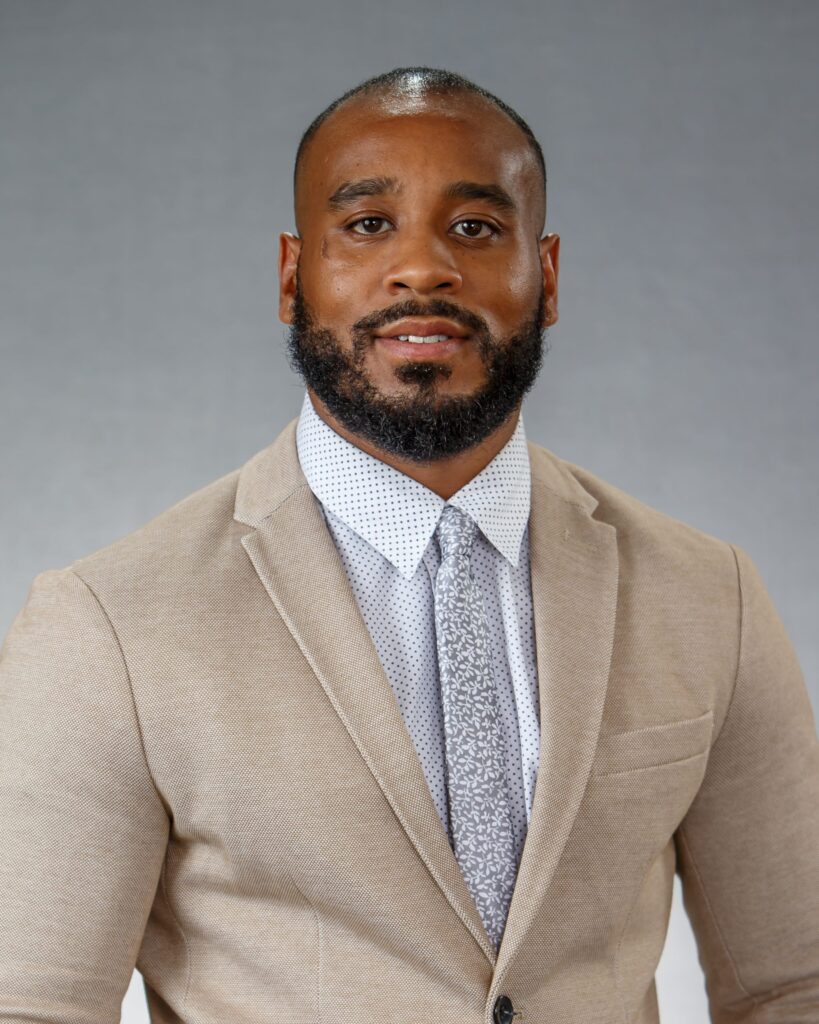
Michael Waller serves as the Director of Customer Care at CMC Energy Services, where he oversees customer acquisition and customer care activities across more than a dozen programs. With overarching responsibility for quality assurance, training, and technology innovation, Mike plays a pivotal role in ensuring exceptional customer experiences and driving operational excellence.
Since joining CMC in 2010 as a Customer Care Team Lead for the PECO programs, Mike has demonstrated a consistent ability to lead and excel in roles of increasing responsibility. Most recently, as Senior Manager of Customer Care, he successfully led activities for over 10 unique inbound and outbound programs, handling over 400,000 calls annually. He is instrumental in driving customer satisfaction by implementing strategic workflows, setting performance benchmarks, and fostering a culture of continuous improvement.
Mike’s expertise extends to staff development, with a strong focus on coaching, mentoring, and career growth initiatives. His innovative approach to process optimization ensures compliance with service-level agreements while enhancing efficiency and data accuracy.